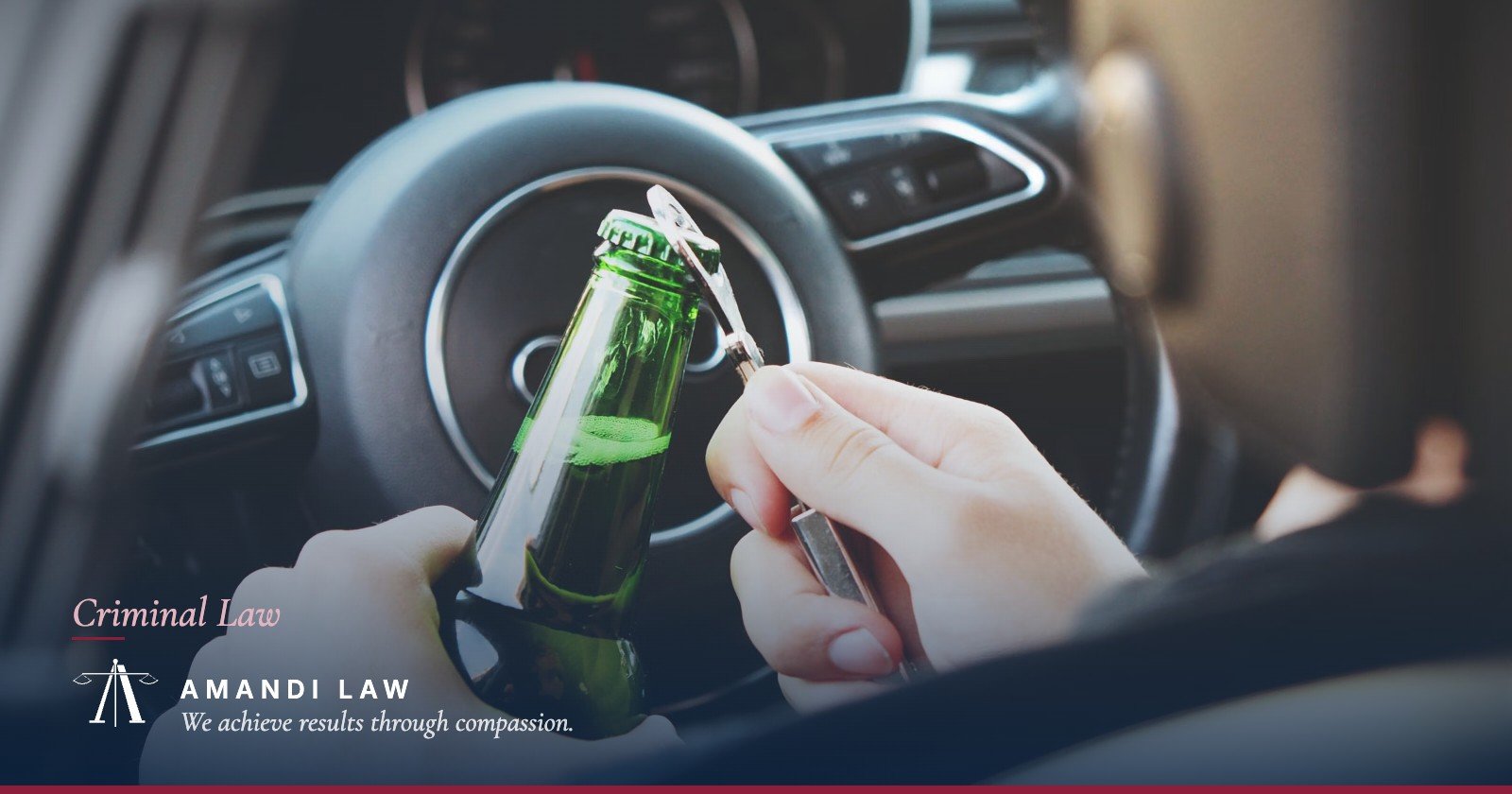
An impaired driving stop in Ontario can lead to two separate sets of consequences. The first comes from the province and starts at the roadside, before any court date. The second comes from the Criminal Code if you are charged and convicted, and can include fines, jail and a longer loss of your licence.
The short version
- A blood alcohol level of 80 mg or more per 100 mL of blood within two hours of driving is a criminal offence. So is driving while impaired to any degree.
- Failing or refusing a test can mean an immediate 90-day licence suspension, a 7-day vehicle impoundment and a $550 penalty, before you ever go to court.
- A first conviction carries a minimum $1,000 fine and at least a 1-year licence suspension in Ontario.
- Refusing a breath or drug test is its own offence, with a minimum $2,000 fine for a first offence.
What counts as impaired driving
The Criminal Code makes it an offence to drive in any of these situations:
- Your ability to drive is impaired to any degree by alcohol, a drug or both.
- Within two hours after you stop driving, your blood alcohol concentration is 80 mg of alcohol per 100 mL of blood or higher. This is often called being “over 80.”
- Within those two hours, a drug in your blood is at or above the legal limit set for that drug.
- Within those two hours, you have both alcohol and a drug in your blood above the combined limits.
Ontario also has a lower “warn range” of 0.05 to 0.079. That range is below the criminal limit for blood alcohol, but it still brings provincial penalties.
What happens at the roadside
Police can impose these provincial penalties on the spot. Ontario changed some of them starting July 1, 2026, so older guides you find online may be out of date.
If you are in the warn range (first time)
You face a 7-day licence suspension, an 8-hour education course and a $250 penalty. Repeat warn-range stops bring longer suspensions, higher penalties and a treatment program.
If you blow 0.08 or more, fail a drug evaluation, or refuse a test
For a first time, Ontario imposes:
- an immediate 90-day licence suspension
- a 7-day vehicle impoundment
- an 8-hour education course
- a $550 penalty
On top of that, you pay a licence reinstatement fee each time your licence is suspended.
Young, new and commercial drivers
Drivers aged 21 and under, and anyone with a G1, G2, M1 or M2 licence, must have zero alcohol and zero drugs in their system. The same goes for drivers of trucks, buses and other commercial vehicles. Breaking that rule brings a licence suspension on top of the usual penalties. Young and new drivers can also be fined $60 to $1,000 if convicted.
If you have been charged, early advice gives you time to understand your options, and we accept Legal Aid certificates for criminal matters. Talk to us about your charge.
Penalties if you are convicted
A criminal conviction adds federal penalties and a much longer provincial suspension. The Criminal Code sets these minimums:
| Offence | Minimum penalty |
|---|---|
| First offence | $1,000 fine |
| First offence, blood alcohol 120 to 159 mg | $1,500 fine |
| First offence, blood alcohol 160 mg or more | $2,000 fine |
| First offence of refusing a test | $2,000 fine |
| Second offence | 30 days in jail |
| Each later offence | 120 days in jail |
The maximums are much higher. If the Crown proceeds by indictment, the more serious route, the maximum is 10 years in prison. On the less serious summary route, it is a fine of up to $5,000, up to two years less a day in jail, or both.
Your Ontario licence after a conviction
- First conviction: at least a 1-year suspension, an education or treatment program, and an ignition interlock device for at least 1 year.
- Second conviction within 10 years: at least a 3-year suspension, with an interlock for at least 3 years.
- Third conviction within 10 years: a lifetime suspension that may be reduced after 10 years if you meet the criteria.
- Fourth conviction within 10 years: a lifetime suspension with no chance of reduction.
After the interlock period, a “P” condition stays on your licence for at least six months. It means zero alcohol and zero drugs while driving. Some drivers can shorten a suspension by installing an interlock early through Ontario’s Reduced Suspension with Ignition Interlock Conduct Review Program.
What to do after a charge
An impaired driving charge goes through the regular criminal court process. Our guides on your first court appearance and bail hearings in Ontario explain the early steps. If you are not a Canadian citizen, a conviction can also affect your status, which we cover in how a criminal charge can affect your immigration status.
Questions people ask
Can I lose my licence even if I am never convicted?
Yes. The roadside suspension, impoundment and penalty are provincial measures that start immediately. They are separate from the criminal case.
What happens if impaired driving causes a death?
In Ontario, it brings a lifetime licence suspension that may be reduced after 25 years if you meet the criteria, a mandatory medical evaluation and an interlock for at least six years. Fines and jail time may be added.
Is refusing a breath test better than failing it?
No. In Ontario, refusing carries the same roadside penalties as failing. In court, a first refusal has a higher minimum fine than a first “over 80” offence at lower blood alcohol levels.